My name is Eric Nduwayezu, an Electrical and Electronic Engineer, inventor, entrepreneur, and technology developer. I am the Founder and CEO of GATO GROUP LTD, where I focus on developing practical technology solutions that address real-world challenges in communities.
My background is in Electrical and Electronic Engineering, with experience in IoT, PCB disgn , software simulations, embedded systems, automation, electronics, sensor systems, and intelligent monitoring technologies. I enjoy transforming ideas into functional prototypes by combining hardware, software, communication technologies, and automation.
One of my key projects is Power Easy, an assistive smart-energy solution designed to make prepaid electricity management easier, particularly for people who may have difficulty physically accessing elevated electricity meters. The project was inspired by a real experience in my family and reflects my approach of developing technology around genuine human needs.
I have also worked on projects involving smart electrical monitoring, environmental and water-quality monitoring, fire and gas detection, smart doorbells, traffic management, biometric access control, LoRa communication, and automated electrical systems. These projects have strengthened my practical skills in micro-controllers such as ESP32 and Arduino, sensors, wireless communication, embedded programming, and system integration.
As an entrepreneur and innovator, I believe technology should not only demonstrate technical capability but should also solve meaningful problems and create practical value. I am particularly interested in developing affordable and scalable solutions that can be adapted to local needs.
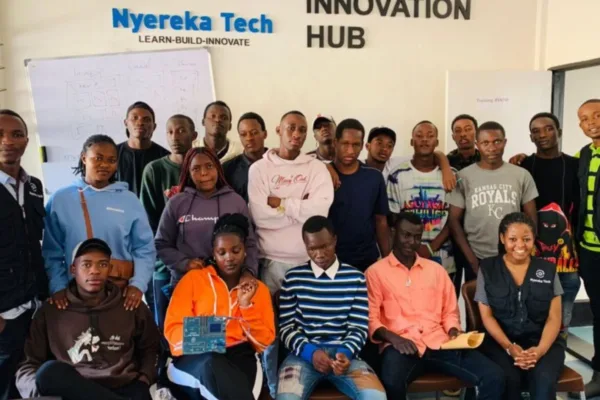
I also enjoy sharing technical knowledge and helping others learn through practical projects. My teaching philosophy is based on learning by doing: understanding the problem, designing a solution, building a prototype, testing it, identifying failures, and continuously improving the system.
My long-term goal is to continue developing innovative engineering solutions, build sustainable technology businesses, and contribute to the growth of a stronger culture of engineering, innovation, and entrepreneurship.